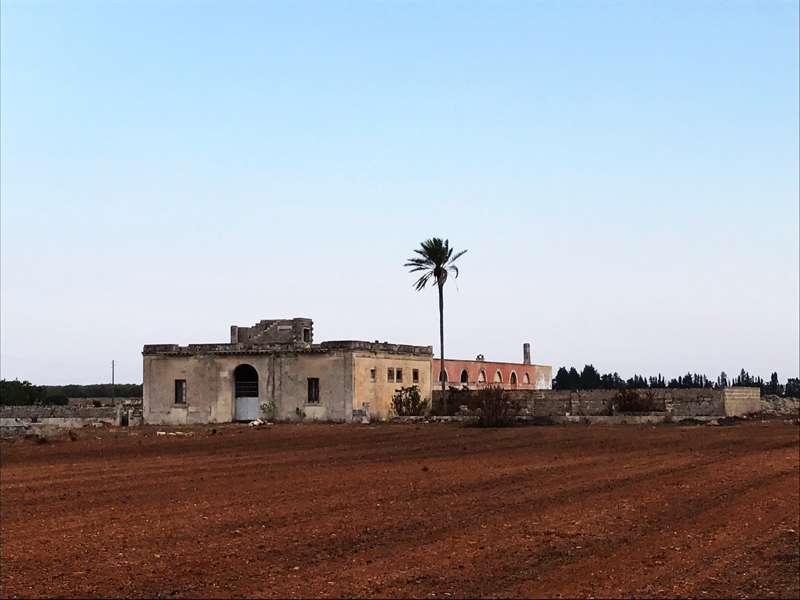
There are so many of them, huge, fortified or surrounded by the countryside, small pine and oak forests or cultivated lands, Masserie in Apulia and particularly in Salento, are the true symbol of a historical rural reality and cultural heritage of Salento.
It is not uncommon to come across these beautiful structures or to see them standing imposingly on hectares of red fallow land, our typical country land. Beautiful and charming peasant dwellings, now used as charming structures, of unquestionable charm, bewitching like a beautiful woman, with services worthy of a five-star luxury: top-notch accommodations, gourmet restaurants, hotelleria with spa, equipped with thalasso-therapy. In the past, the preserve of wealthy local squires, today exclusive destinations for rural tourism.
If you want to experience them as squires for a day and taste local delicacies and our typical recipes revisited in a gourmet key, try our beautiful Salento Countryside experience by bike and typical dinner in a masseria
What are masserias: how they were used in the past in Salento
For the uninitiated, masserias are rural constructions dating from around the late medieval period. The word masseria derives from the Latin word massa, which indicates the set of agricultural funds.
The masseria was the home of the farmer, the man who worked in the fields and the place where he stored the products of the land. A kind of farm, an agricultural center intended for large-scale production, breeding and processing of agricultural products that were intended for subsistence and not only that, also for the Kingdom.
Production was not only intended for family consumption but also for the neighborhood.
The masseria was an expression of the latifundist economy: the landowner was the master of the masseria, and sometimes he lived in the fortified structure, together with the farmers and ranchers, in well-organized spaces according to work role and social rank.
In other cases, the masseria was the home of agricultural workers alone, who wisely managed the roles, tasks and products of the land. In this case, at the head of the rural farm was the massaro.
By means of a lease, the colonia contract, with the landowner who was often a nobleman, feudal lord or clergyman, the massaro managed the work of the land by hiring laborers who moved into the agricultural structure.
In the Grecìa Salentina (an area of Salento consisting of nine municipalities where Griko, a dialect derived from Hellenic Greek, is spoken) in reality, with its predominantly olive and cereal economy, it was not necessary to live year-round in the designated structure, as these were seasonal crops. The colony contract usually stipulated as its duration that required for a full cycle of cultivation.
The architectural structure of the Salento masserias
Regarding the structure of the masseria, it is a large building with an adjacent agricultural court. The entire rural area comprising the house commonly has high enclosing walls, for the protection of the estate and the wealth therein.
The large, central courtyard often also had the function of a farmyard. In this large space usually faced the gates to what were the different work areas and stables.
The high walls enclosed small communities, a kind of village, where the master, the farmer, the peasants with their families and even the animals lived together and independently.
They did not need to have external relations with what was outside the walls: inside was everything they needed. The masserie were thus small autarkic centers of the Apulian production system.
The masseria by the sea: small fortified structures overlooking the Salento sea
Masserias in Salento are often close to the sea and this also explains why the high walls. Salento, a borderland surrounded by the seas, has always been exposed to all kinds of aggression from the outside, from barbarian and pirate raids.
A hospitable and welcoming land, a union of distant customs and traditions, Salento has, however, often had to defend itself from outside attacks, even by erecting high walls.
Most of the masserie near the Ionian and Adriatic coasts, and even those in the Grecìa salentina, although located inland, have an upper floor, reached by ladders. In this high floor, the massaro, his family and the peasants would defend themselves by hiding and also taking with them the products and goods of the masseria.
The rung ladder, which was temporary, was then put out of use once everyone was secured.
Masserias of more recent construction, on the other hand, have very low or sometimes nonexistent enclosure walls, as over the years the attacks diminished and their function changed, until they became summer residences of the lords.
The masseria today: emblem of Salento tourism
Unknown to most Italians, the masseria is a rural architectural structure that, those who have not lived in or visited Puglia, cannot imagine. A symbol of the rural tradition of the south, masserie today have become a tourist attraction. The curious or lovers of the land and its fruits, farmers and producers are fascinated by these ruins, once the beating hearts of Apulia’s agricultural economy.
Many of these ancient agricultural structures are still disused and battered. Many others, on the other hand, taking into account the growing number of tourists each year in the Salento area, have been recovered, renovated and transformed into accommodations equipped with every comfort and luxury.
We trust in the changes in the landscape and rural plan because, many of these structures, by regional ordinance, cannot be renovated, expanded and/or modified.
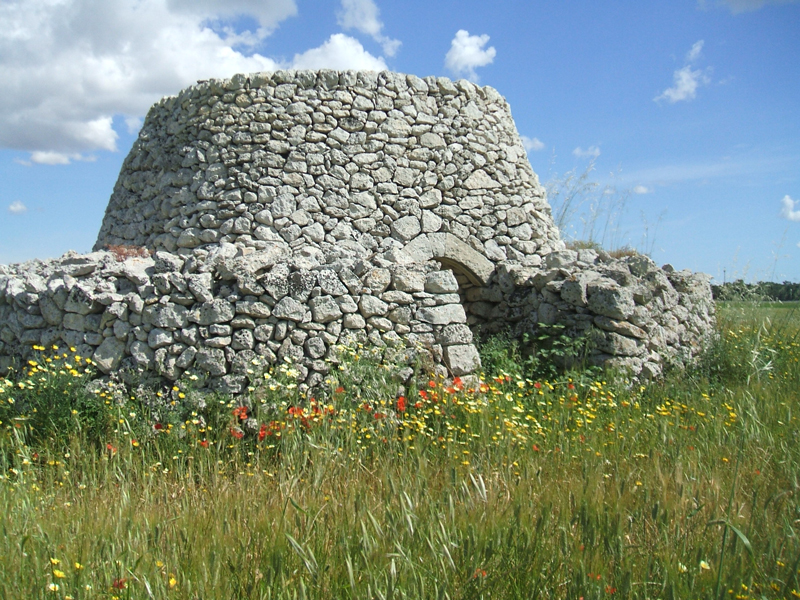
Often, while cycling through the country roads, one comes across abandoned masserie, pajare and furnieddhri half-destroyed by time.
The masseria and the country vacation in Salento: experiencing the Salento country-side in total harmony with nature
Those who want to experience total relaxation, immersed in the lush nature of Salento, in wide, green and unspoiled spaces, choose to spend their vacations in the many masserias that have now become luxury resorts, agritourisms, restaurants or bed & breakfasts.
Mastodontic centuries-old olive trees and dense Mediterranean scrub as a backdrop, masserias today offer unique experiences immersed in the green. Historic structures, despite having changed function by becoming hotels, are often true agricultural museums, with a history and culture to protect and show.
The masseria in Salento: from accommodation facilities to properties of historical interest
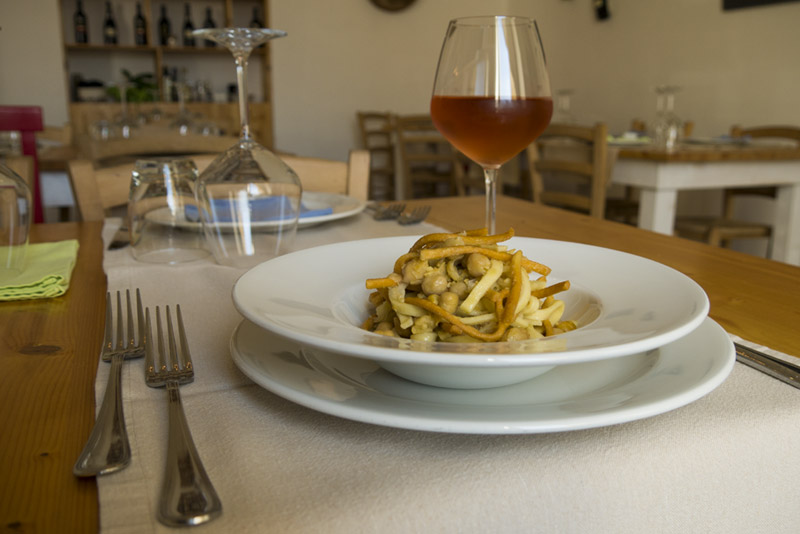
The conspicuous number of masserie in the Salento area and the large spaces that surround them have made it possible to diversify the offer for tourists according to everyone’s needs. Thus, in Salento you can stay in organic and educational masserie, where in addition to lodging, adults and children can work the land, harvest crops or collaborate in the production of cheese and mozzarella; wellness masserie, with spa centers where you can relax and take care of your body and mind in nature; agritourism masserie, with in-house restaurants where you can taste every typical dish of Salento tradition, made with kilometer zero raw materials and devote yourself entirely to the pleasure of the palate; historical and authentic masserie, with the stables, mangers, granaries, all areas revisited and enhanced, but left structurally as they once were for a relaxing vacation away from the city chaos but, at the same time, useful to know the Salento with its history and relive its past in the beauty of the present.