
Specchia: one of the most beautiful hamlets in Italy
Un piccolo tesoro in un guscio di noce
“Comune Gioiello d’ Italia” since 2012, Specchia, or Specchia de’ Preti, as it was called between the end of 800 and the early 1900s, is a small town in the Lower Salento, a small treasure in walnut shell. Not to be confused with Specchia Gallone (small town near Otranto), Torre Specchia Ruggeri (bathing town near San Foca) and Specchia Polignano (restaurant in Polignano a Mare).
Enchanting its historic center, we are talking about a medieval village of Salento that rises on a small hill because here, far from the sea, its founding fathers wanted it, to keep it away from the raids of cruel Ottoman .
Well located, easily reachable, it is about 60 km from Lecce, the capital of Salento.
Over the last few years, it has been awarded and included in the group of “The most beautiful hamlets in Italy” and awarded as “Best emerging rural destination” of the Belpaese.
Having said that, we give you two quick straight lines to reach it easily, whether you come by car, train or bus.
How to get to Specchia:
Reach this small town of Salento is very easy
In order to get to Specchia, the advice we give you is to use the car because you will remain open-mouthed and a couple of hours are too few to admire corners, glimpses, alleys and ancient palaces.
Having said that, read this checklist and let your heart decide for you, once in a while:
- by plane to Brindisi (about 102 km far from Specchia):: landing at the airport of Brindisi Papola Casale (about 102 km away but the road is quite smooth) and moving from there by car (renting one from the various operators on the territory) or by bus to the Lecce railway station and take a train from the Ferrovie Sud-Est line to Miggiano/Specchia station.
- in aereo fino a Bari(dista circa 221 km da Specchia): atterrando all’aeroporto di Bari Karol Wojtyla (dista a circa 221 km ma la strada è abbastanza scorrevole) e muovendosi da lì in auto (affittandone una dai vari operatori presenti sul territorio e vedendo il percorso al punto successivo) oppure raggiungendo in autobus la stazione ferroviaria di Bari e prendere un treno Bari-Lecce e una volta giunti a Lecce, prendere un treno regionale della linea Ferrovie Sud-Est per la stazione di Specchia/Miggiano o un autobus per Specchia
- in auto dal nord/centro Italia: percorrere l’austrostrada A14 o A16 fino a Bari Nord, prendere l’uscita Brindisi-Lecce percorrendola tutta. Poco prima di fare il vostro ingresso nella città di Lecce, prendere lo svincolo tangenziale Est per Maglie/Otranto/Leuca. Dopo aver superato Maglie, proseguire in direzione Santa Maria di Leuca sulla SS. 275 e uscire per via Miggiano/Specchia
- in auto dal sud Italia (Calabria e Sicilia): prendere la SS 16 per Taranto, giunti in città, continuare la vostra marcia verso Brindisi percorrendo la SS 7. Continuare verso Lecce e seguire le indicazioni come espresse qui sopra;
- in autobus da Lecce: dalla stazione ferroviaria di Lecce oppure dal Foro Boario di Lecce (di fronte al Grand Hotel Tiziano), prendere uno dei tanti bus STP. Ovviamente informatevi su tratte e orari direttamente cliccando qui.
Table of contents
Map of Specchia
The map to reach the most beautiful village in Italy using your mobile phone’s navigator.
History of Specchia
Specchia was founded on a hill, far from the sea, to avoid Saracen invasions. Around the 9th century, a small group of shepherds and peasants occupied this hill: the place was strategic because from the top of the hill, they could control the territories and see barbarian threats in advance. When the count of Lecce, Tancredi d’Altavilla was crowned king of Palermo in 1189, Specchia became a fief and, as such, passed from hand to hand, from baron to baron, from feudal lord to feudal lord. In a strong tourbillon, the following lineagesalternated :- Filippo Monteroni,
- Rodolfo d’Alani,
- Beltrando Orsini del Balzo.
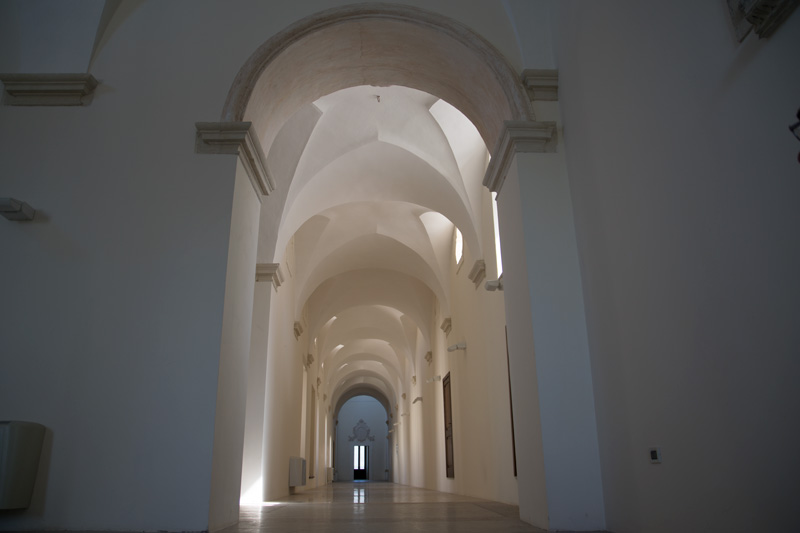
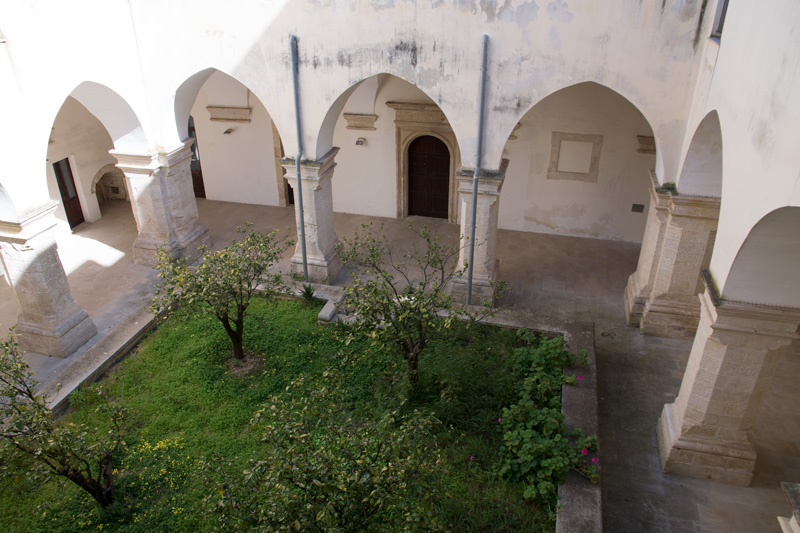
Church and Convent of the Black Franciscan Friars
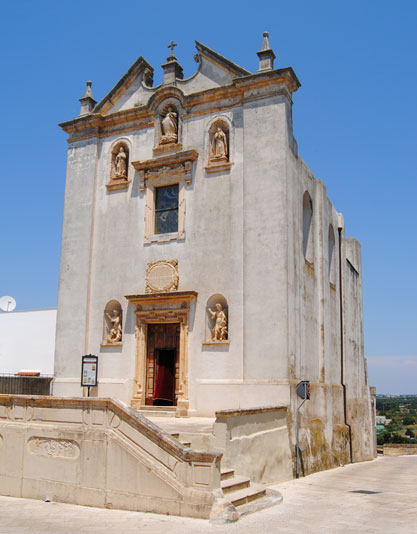
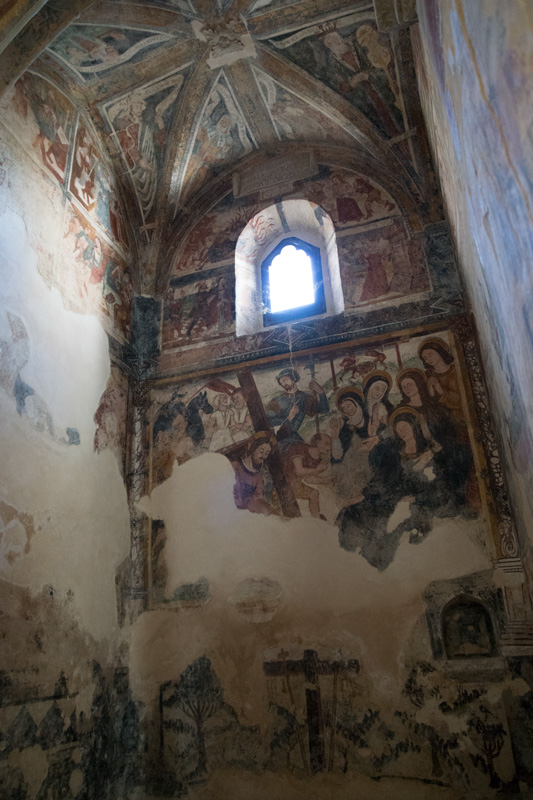
Built in the 16th century, this splendour housed the order of the Black Franciscans (the Capuchins). Inside the church is the beautiful chapel dedicated to St Catherine and the crypt adorned with exceptional frescoes, located under the choir. On the wall of the façade, a splendid high relief can be seen, possibly depicting a memorial of the Protonobilissimo family, who contributed to the building of the church itself. In fact, on the first altar to the right, the herald of this very prestigious family is carved in Lecce stone. The frescoes in the chapel depict Sts Cosmas and Damian and the martyrdom of St Agatha. Legend or truth (?) has it that St Francis stayed in the crypt for a while before leaving for Jerusalem via Otranto.Church of the Presentation of the Blessed Virgin Mary
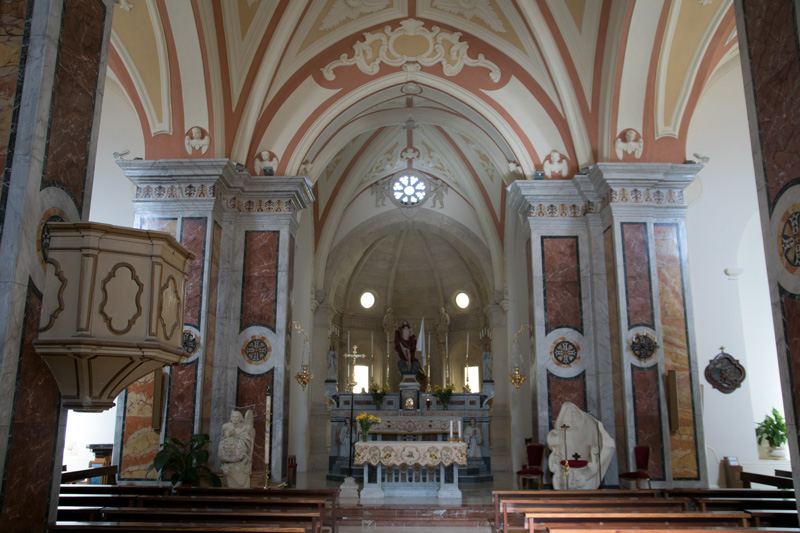
The Matrix (or Mother) Church of the Presentation of the Blessed Virgin Mary was built in the very early 1600s and its façade and floor plan was redone a century later, in 1700, with an expansion of space due to the increase in population. The beautiful pillars were stuccoed with Venetian stucco and the arches of the aisles were adorned with beautiful floral motifs. Little gem: inside the church you will find two very valuable works by Maestro Giuseppe Afrune, a native of Mirror and official portraitist of the Vatican. The famous ‘Artist of God’ has donated two of his incredible works: a painting of St Gianna Beretta Molla and a splendid lithograph of St Giuseppe Moscati.The crypt of Madonna del Passo
The church of Madonna del Passo is certainly of Byzantine origin. Its discovery dates back to the 16th century. Later, its transformation, the one we know today, took place. From a simple crypt, it was transformed into a church, towards the end of the 16th, early 17th century. With a quadrangular ground plan with two side altars and a central altar, the interior of the church is extremely interesting from an artistic point of view. The central altar is dominated by a columned baldachin. The style permeating the canopy is late Renaissance. The building is adorned with a splendid painting of the Madonna and Child and on the walls, you can admire ancient frescoes. A Calvary was built outside the church and is used during the Lenten period for the impressive Stations of the Cross.Palazzo dei Risolo Protonobilissimo
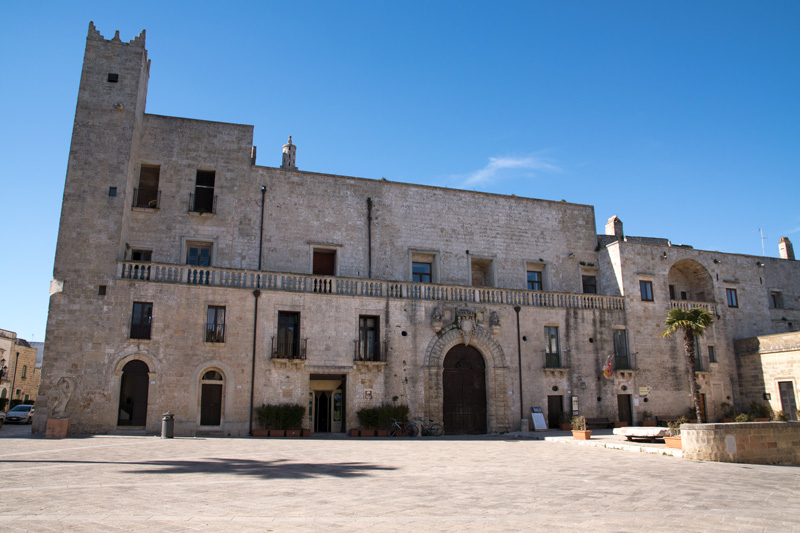
The residence, in centuries gone by, of the Protonobilissimo-Trani family, this noble family, whose name sounds like a tongue-twister, overlooks the central square of Specchia, in the heart of the ancient village of Salento. The palace as we see it is the result of a series of works and interventions carried out between the 15th and 18th centuries. The elegant balustrade overlooking the square of Specchia is beautiful and runs across the entire façade. The coat of arms of the Specchia noble family stands out on the ashlar entrance door.The underground oil mills
Scupola, Cicca, Perrone and Francescani neri Also in the historic centre of Specchia, you can admire the underground oil mills. Here, in ancient centuries, olives were ground with large millstones pulled by oxen, donkeys and horses, also with the human help of farmers and peasants. We recommend a visit, if only to get an idea of how much effort was put into producing an oil of the highest quality. Today Specchia, continuing to embody the age-old tradition of master oil producers, is part of the Oil Route and every evo oil produced in Specchia has the Docet markBorgo Cardigliano
“Specchia’s “Enclave” not far from the centre of Italy’s most beautiful village Borgo Cardigliano is a small village belonging to the municipality of Specchia, for a very long time uninhabited and then used as a rural hotel in recent years. Passed to private management, again under the supervision of the municipality of Specchia, this hamlet has now closed its doors and is not used as accommodation. This is a great pity because now it can no longer even be visited, at least until the licence to use it, given to local entrepreneurs, expires. To get an idea of what it looks like, you can do a little research on the Internet and see some photographs of the entire small rural village, used as accommodation.The Specchia living nativity scene
Attracts the faithful and curious from all over Europe During the Christmas period, the town of Specchia hosts a living nativity scene. Citizens turn into shepherds, infants become the Christ, the ox and the donkey warm up this little bundle. The dim lights of the lanterns embellish the portrait of the town of Specchia, which we remember as one of the most beautiful medieval villages in Italy. We suggest you visit it with us during your Christmas holidays.Film Festival of the Real
From the Sacred to the Profane Like every year, between 19 and 22 July, Specchia will host the Festival del Cinema del Reale. Artists, film-makers, and independent productions will recount, through their works, facts, episodes, and slices of everyday life with captivating films and scripts. We suggest you come and see what it’s all about.Where to eat in Specchia
Suggestions on restaurants and typical cuisine bistros You can eat well anywhere in Salento and, in Specchia, even more so; for this reason, we suggest a magical mantra: ‘reservation’. Joking aside, it is a good idea to make a reservation because these places of food are known and assiduously frequented by tourists or ‘locals’. Well, let’s proceed with our checklist of the best restaurants in Specchia, just so you don’t waste time.Trattoria Da Coppuleddhra
Sigfrido and his high-sounding name are ready to welcome you At Trattoria da Coppuleddhra you can eat really well and typically Salento food. ‘Ricchiteddhre e maccarruni cu le purpette e la ricotta scanta’ (Orecchiette and macaroni with meatballs and a sprinkling of ricotta forte), ‘Fave e cicorie’ (Broad bean and chicory puree), hearty hors d’oeuvres with pittule and mixed fritters of breaded vegetables, horse pieces with sauce. These are just some of the dishes you will find on the menu. Sigfrido, although the name instils reverential awe, is ready to welcome you with kindness and courtesy.Le Macinate
Restaurant and wine bar Le Macinate is located just outside the historic centre of Specchia, one of the most beautiful medieval towns in Salento in Italy. Friendly staff led by the very young Veronica, the owner of this enchanting place for cooking, chatting, wine and spirits. Inside, the spaces are well furnished, Lecce stone, vaults and a beautiful stretch of glass floor, just to give you a glimpse of how ‘once upon a time there was the real Salento’. The dishes are incredibly good and the raw materials used are of the highest quality. We recommend making a reservation and, in summer, asking for a table outside for your romantic dinner. You will be enraptured. A small curiosity: if you don’t want to be fed with the typical southern grandmother’s portions and you like to taste centuries of tradition on a plate, this is the right place for your food experience… which we also recommend for an after-dinner meal.La Ficarigna
An excellent fish and meat restaurant that pays homage to the Salento prickly pear La Ficarigna is an excellent fish and meat restaurant located in the heart of Specchia. The dishes served are exceptional, the taste simple. The ambience is ideal for a romantic dinner because the soft lighting and spaced tables provide the right amount of privacy for an evening with a couple. In summer you can enjoy excellent food in the outdoor area. Highly recommended, as is booking.Where to sleep in Specchia
Hotels, bed & Breakfast, masserie, pajare and resorts in the authentic, medieval village of Salento In Specchia, you will have different possibilities for accommodation: hotels, bed and breakfasts, relais, pajare (which we mentioned in the article on Pescoluse, and masserie. Here we list the most significant accommodation facilities, leaving out the others for reasons of space.Hotel Resort I Mulicchi
Immersed in the Salento countryside, this renovated farmhouse offers the services of a 4-star hotel. You are immersed in nature, just two kilometres from Specchia. Inside, you will be surrounded by centuries-old olive trees, fichidìndiaand, to cool off quickly from the hot Salento sirocco, you can take a dip in the beautiful swimming pool. The wi-fi is free of charge, but we advise you to turn off your mobile phone and enjoy the enchanting view, while you pet your dog because the structure welcomes your four-legged friends!Risolo Castle
In the heart of the historic centre of Specchia Palace with a medieval flavour, indeed truly medieval. You will feel for a night or for more than a week the king and queen of Specchia. We are not talking about rooms but mini-apartments equipped with all comforts: private bathroom with bidet (to be specified for all foreign tourists coming to Specchia), air conditioning, plasma TV, free wi-fi. Having said this, just think that looking out of the window you will see the main square of Specchia because the position of this formidable accommodation facility is unbeatable.Weather in Specchia
Before visiting this beautiful authentic village, we suggest you take a look at the Specchia weather forecast below.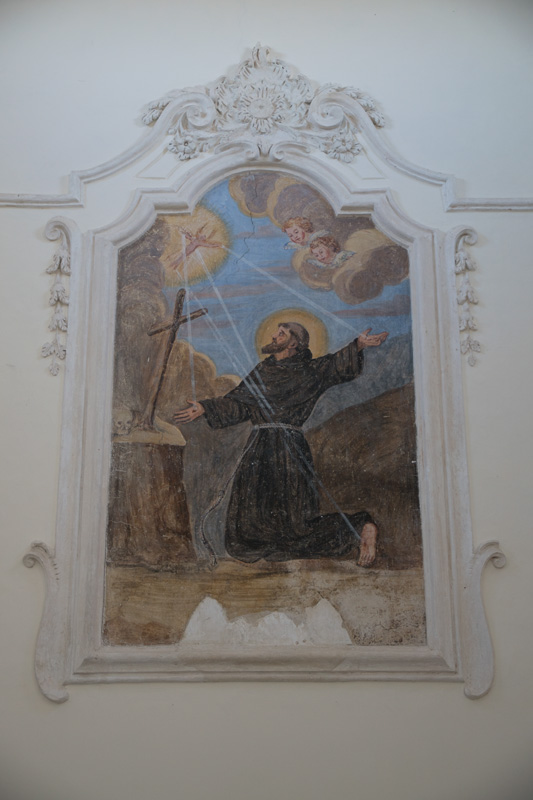
Ultimi Articoli su Specchia


Maglie: Lions Salento Territorio e Ambiente charity dinner.
Tonight, together with Duca Carlo Guarini and Pastificio Salento, we will lend our support to the wonderful initiative of the Lions Club Salento Territorio e Ambiente, the third specialist club in Italy and second in Puglia by birth.
Maglie: Giovanni Fasanella and “Il Puzzle Moro”
The city of Maglie, at the invitation of the Lions Club Salento Territorio e Ambiente, hosted at the Capece Gallery, Giovanni Fasanella, author of “The Moro Puzzle. From British and American desecreted testimonies and documents, the truth about the assassination of the DC leader”, written for Chiare Lettere. It was an emotional presentation in a room filled with spectators.
Bel Ami Restaurant in Maglie
You cannot think of visiting Maglie, its beautiful old town center made of Lecce stone and the ancient churches of the beautiful town of Maglie,
Locanda dei Semplici: the praise of simplicity
Locanda dei Semplici, is a very cosy restaurant in the centre of Maglie. A unique place where guests feel at home. At grandmother’s home: furniture regenerated